
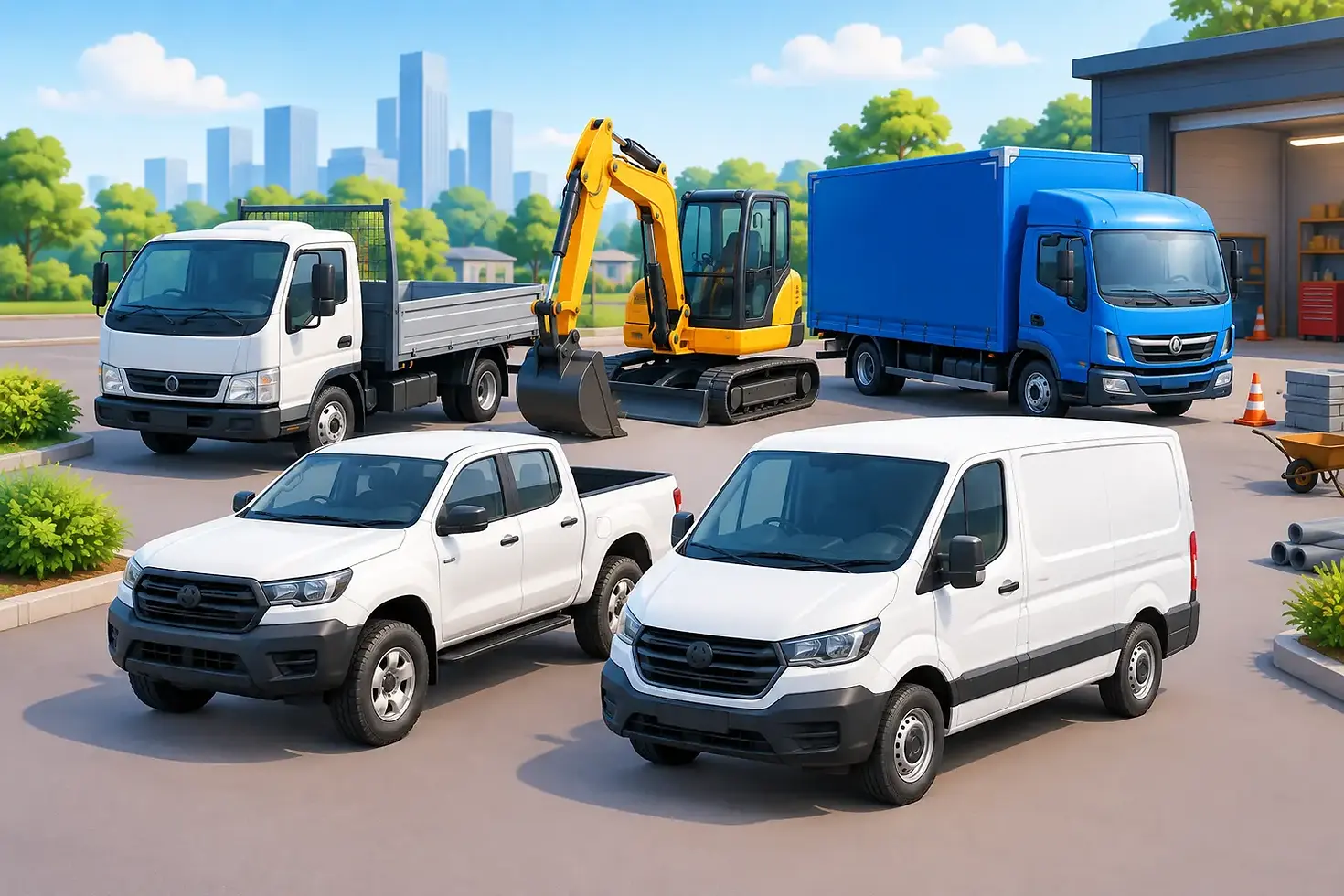
Work Vehicle Hire Examples for Everyday Jobs
A missed site visit, a car stuck in the workshop or a last-minute delivery run can put a whole workday on the back foot. These work vehicle hire examples show how the right temporary vehicle can keep you moving without the upfront cost and long-term commitment of buying another vehicle straight away.
For workers, small business owners and project teams across the Gold Coast, Brisbane, the Sunshine Coast and Northern NSW, vehicle hire is often about solving a practical problem quickly. You may need more room, better fuel economy, a comfortable vehicle for long drives, or simply a dependable replacement while your usual car is unavailable. The best choice comes down to the work in front of you, not just the daily hire rate.
Work vehicle hire examples for real jobs
The tradie travelling between jobs
A plumber, sparky, painter or handyman might need a vehicle while their own ute is being repaired, or when a larger job requires an extra set of wheels. For this type of work, start with the equipment you need to carry each day. A compact, fuel-efficient vehicle may suit someone carrying hand tools and travelling between suburban jobs. A ute or van may be more appropriate where ladders, toolboxes, supplies or heavier gear are involved.
It is worth thinking beyond cargo space. A busy day can mean hours behind the wheel, so air conditioning, supportive seating, mobile connectivity and modern safety features make a real difference. If your work takes you from Mudgeeraba to Brisbane sites or down into Northern NSW, comfort and fuel use matter just as much as getting your gear from A to B.
Before booking, check the vehicle’s load capacity and how equipment can be secured. Overloading a vehicle or leaving loose items in the cabin is never a smart shortcut. If towing is part of the job, confirm the approved towing capacity and rental conditions first rather than assuming every vehicle is set up for it.
The sales rep or consultant on the road
Not every work vehicle needs a tray or a big cargo area. For a sales representative, property professional, consultant or account manager, a clean and comfortable passenger vehicle can be the better fit. You need to arrive at client meetings looking prepared, not stressed after a noisy, thirsty or unreliable drive.
A fuel-efficient car is particularly useful when your diary includes meetings across the Gold Coast, Brisbane and the Sunshine Coast. Look for enough boot space for samples, signage, a laptop bag or presentation materials, plus technology that helps make longer drives easier. The right vehicle supports a professional day without making the travel side of work feel like a chore.
Hiring can also make sense during peak periods. If your regular vehicle is fine for normal weeks but not ideal when you are covering a wider territory, a short-term hire gives you flexibility without paying for a second car year-round.
The project supervisor visiting several sites
Project supervisors, building managers and field coordinators often spend more time moving between locations than sitting at a desk. Their vehicle needs may change from one project to the next. One week might involve city appointments and supplier visits; the next could mean regional travel, wet-weather access roads and carrying safety gear for a team.
A spacious, comfortable vehicle can make those days easier to manage. Consider passenger capacity if you regularly take colleagues to site, as well as room for high-vis clothing, boots, plans, clipboards and small equipment. Good visibility, safety features and efficient fuel use are useful when the kilometres add up.
This is a situation where the cheapest option is not always the most economical. A cramped vehicle that does not suit the job can mean separate trips, tired drivers and a cluttered cabin. Choosing enough space from the beginning helps the day run more smoothly.
The delivery run that cannot wait
A bakery, florist, retailer or local supplier may need a temporary vehicle when demand lifts, a fleet vehicle is off the road or an urgent order needs to get out the door. The vehicle choice depends on what is being delivered, how far it is travelling and how frequently you will be stopping.
For small parcels or documents, a passenger vehicle with a useful boot may be enough. For boxed stock, bulky displays or multiple delivery drops, a larger cargo solution may be necessary. Measure your typical load before you enquire. It is far easier to choose the right vehicle once than to discover halfway through loading that the rear seats need to stay folded down or that the cargo will not fit safely.
Also plan for the rhythm of the route. Frequent short trips through busy areas can favour an easy-to-drive, fuel-efficient vehicle. Longer regional deliveries may place more value on comfort, range and space. Keep the cabin clear so the driver can focus, and secure every load before setting off.
The team member whose car is off the road
Sometimes the work vehicle is simply a replacement vehicle. Your own car may be waiting on parts, booked in for repairs or no longer reliable enough for the commute. If you need to get to shifts, appointments, training or client calls, waiting around for public transport may not be realistic.
A rental vehicle can bridge that gap with less disruption to your income and routine. For many people, the priority is a clean, dependable vehicle that is easy to collect, comfortable to drive and economical at the bowser. Families also benefit when one vehicle needs to cover work travel, school drop-offs and errands after hours.
Be honest about how you will use it. A solo commute and a family-heavy week require different amounts of seating and boot room. The aim is not to hire more vehicle than you need, but to avoid hiring one that makes everyday life harder.
The growing business testing what it needs
For a small business taking on more work, hiring can be a sensible way to test vehicle requirements before committing to ownership. Perhaps you are adding a new service area, employing another team member or trialling delivery days. Rather than guessing what will suit the business in six months, use a vehicle that fits the immediate workload and learn from the experience.
Pay attention to the details: how much fuel you use, whether the vehicle fits your equipment, how often you need extra seats and whether your team is comfortable driving it. Those practical lessons can guide a later purchase or a rent-to-own decision. A structured rent-to-own path may suit customers who want regular access now while working towards owning a vehicle, but it is worth reviewing the agreement carefully and choosing terms that match your likely work pattern.
How to choose the right work hire vehicle
Start with the non-negotiables: the number of people travelling, the size and weight of what you carry, the distance you cover and the roads you use. Then consider the day-to-day features that reduce friction, such as fuel efficiency, cabin comfort, air conditioning, safety technology and boot or cargo access.
It also pays to check the practical hiring details before you apply. Confirm licence requirements, authorised drivers, insurance options, excess amounts, kilometre allowances, fuel expectations and any restrictions around towing, off-road use or carrying particular equipment. Clear answers early help prevent surprises later.
At RC Rental, the focus is on helping local customers get into clean, comfortable and dependable vehicles through a straightforward process. Whether you are a returning friend needing a replacement ride or a new visitor keeping a project moving, choosing for the job rather than simply choosing the biggest vehicle is the best way to enjoy a smooth ride.
The right hire vehicle should take pressure off your workday. Choose one that gives you the space, comfort and confidence to turn up, get the job done and head home knowing tomorrow is covered.


Comments